
Spring Paddle

Last week, I took advantage of an unusually warm day to embark on a mini-adventure. I went for a paddle in my packraft: a tiny five-pound boat, basically an elongated innertube with a waterproof floor.
My home lake is the last in a chain of ponds. The ponds are connected by a small river. My home lake is the farthest downstream, and by far the largest body of water in the chain. I planned to launch my raft at the next pond upstream and paddle toward home, exploring the river along the way. I’ve done this twice before, at the end of each of my previous winters in my cabin, in May 2021 and 2022. It’s come to feel like a tradition, a celebration of ice-out and the blossoming of spring.
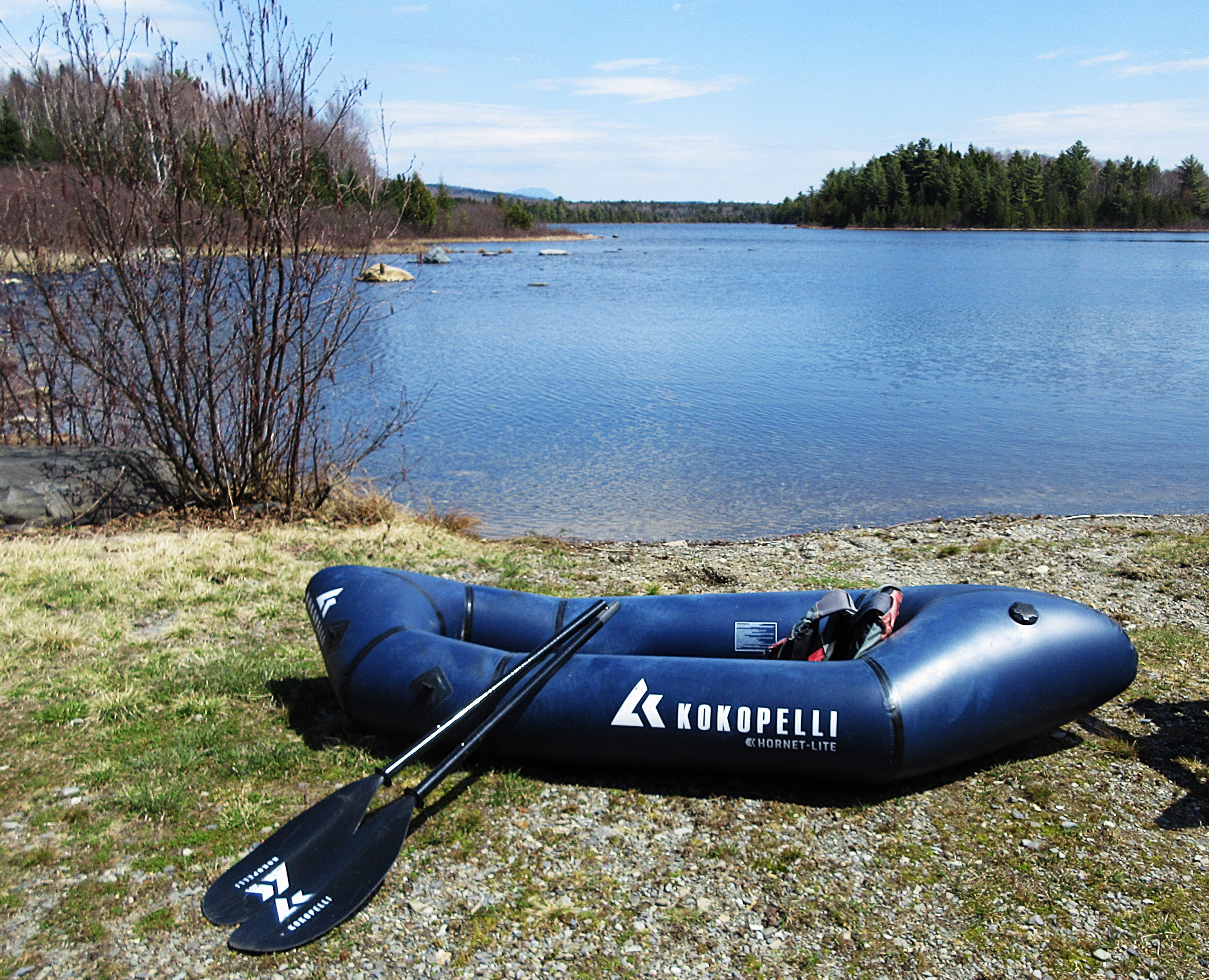
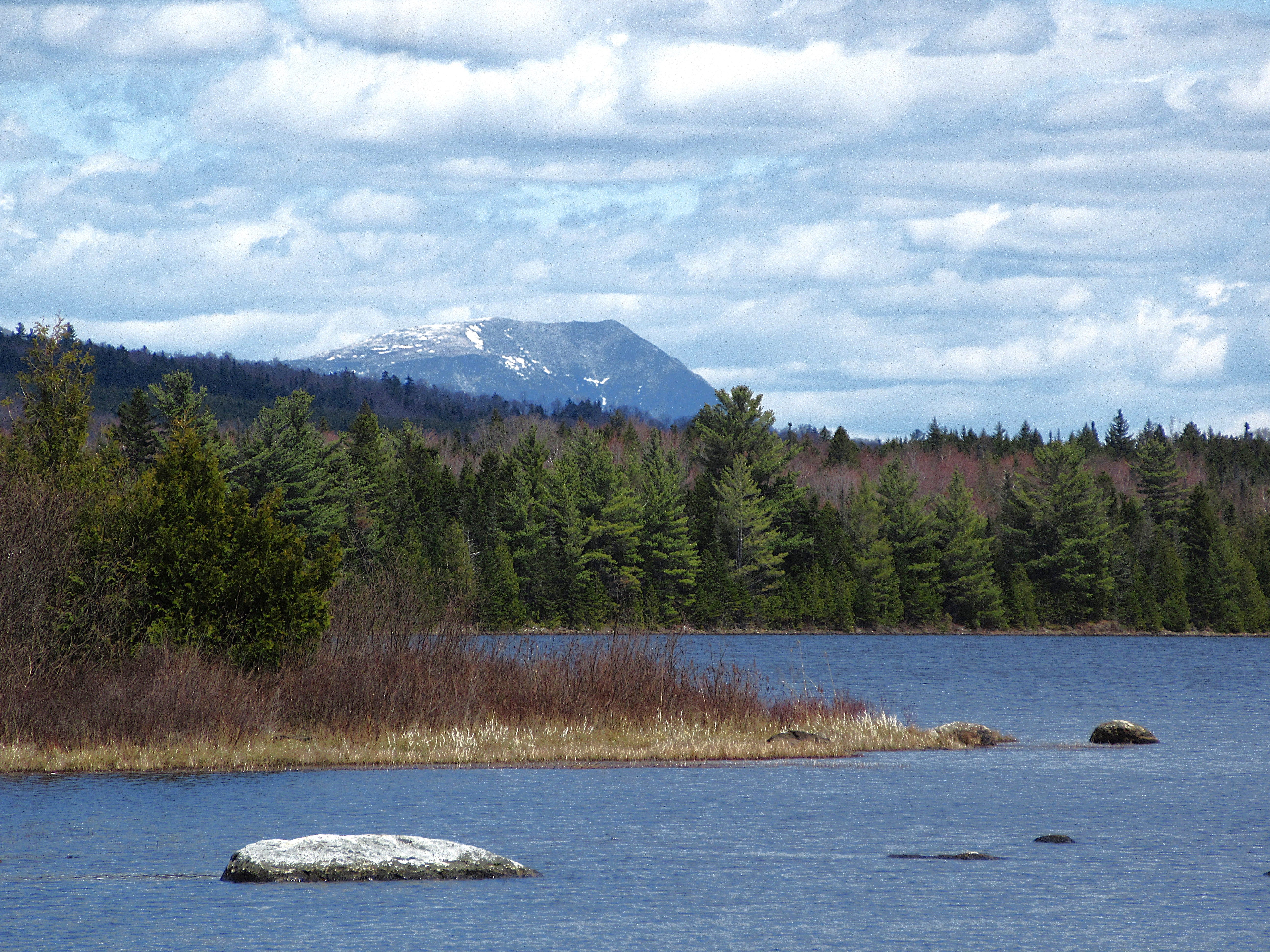
Before getting on the water, I paused to eat lunch on the shore of the upstream pond. After months of wintry weather, it felt like an extravagant treat to bask in warm sunshine, as birdsong filled the air. Looking northeast across the pond, I saw Katahdin rising above the forest, lingering patches of snow still clinging to its summit.
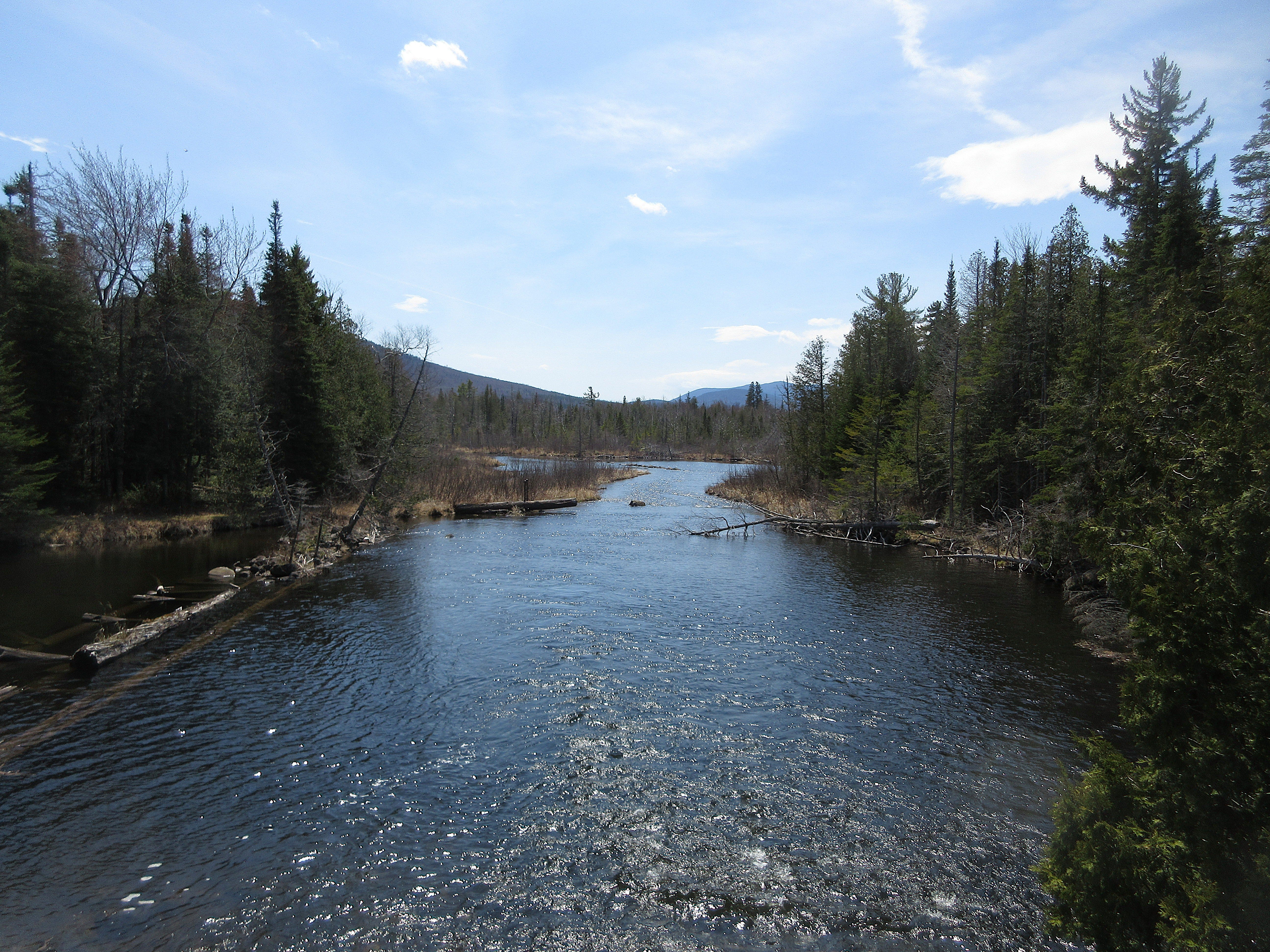
I put in my raft at the outlet of the pond and headed downstream. The river sparkled in the sunlight, beckoning me onward. Sandpipers, unused to seeing humans navigate this remote stretch, took off from the shores as I approached, flying low above the water, moving down the stream ahead of me.
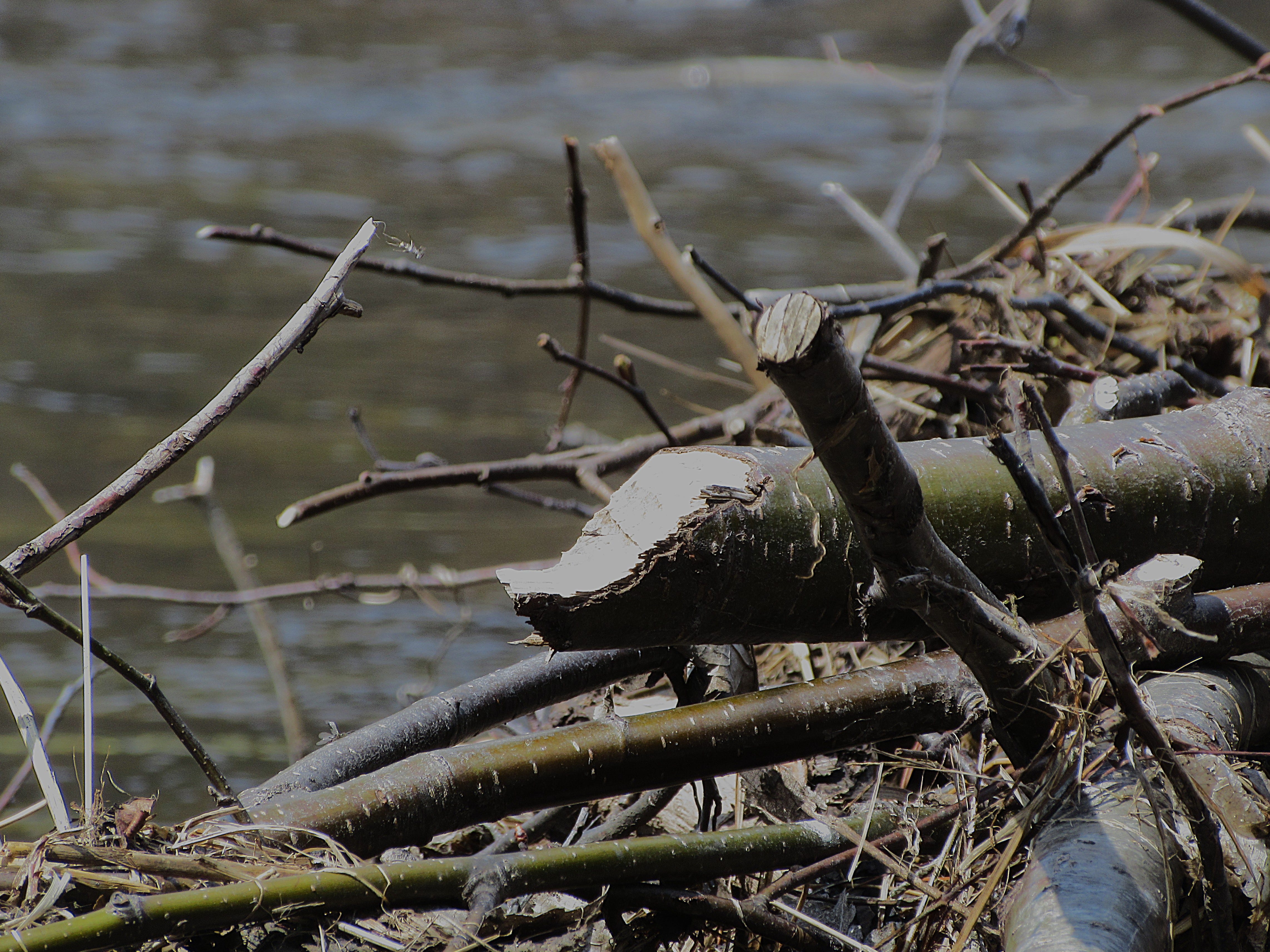
After a few minutes of paddling, I came to remnants of an old dam, a relic of the log drives that relied on rivers as highways to transport timber. I pulled over to the shore to portage my raft around the dam. As I carried the raft through the woods, I passed a tree that fell after a beaver chewed through its trunk. This was the first of many signs of beaver activity.
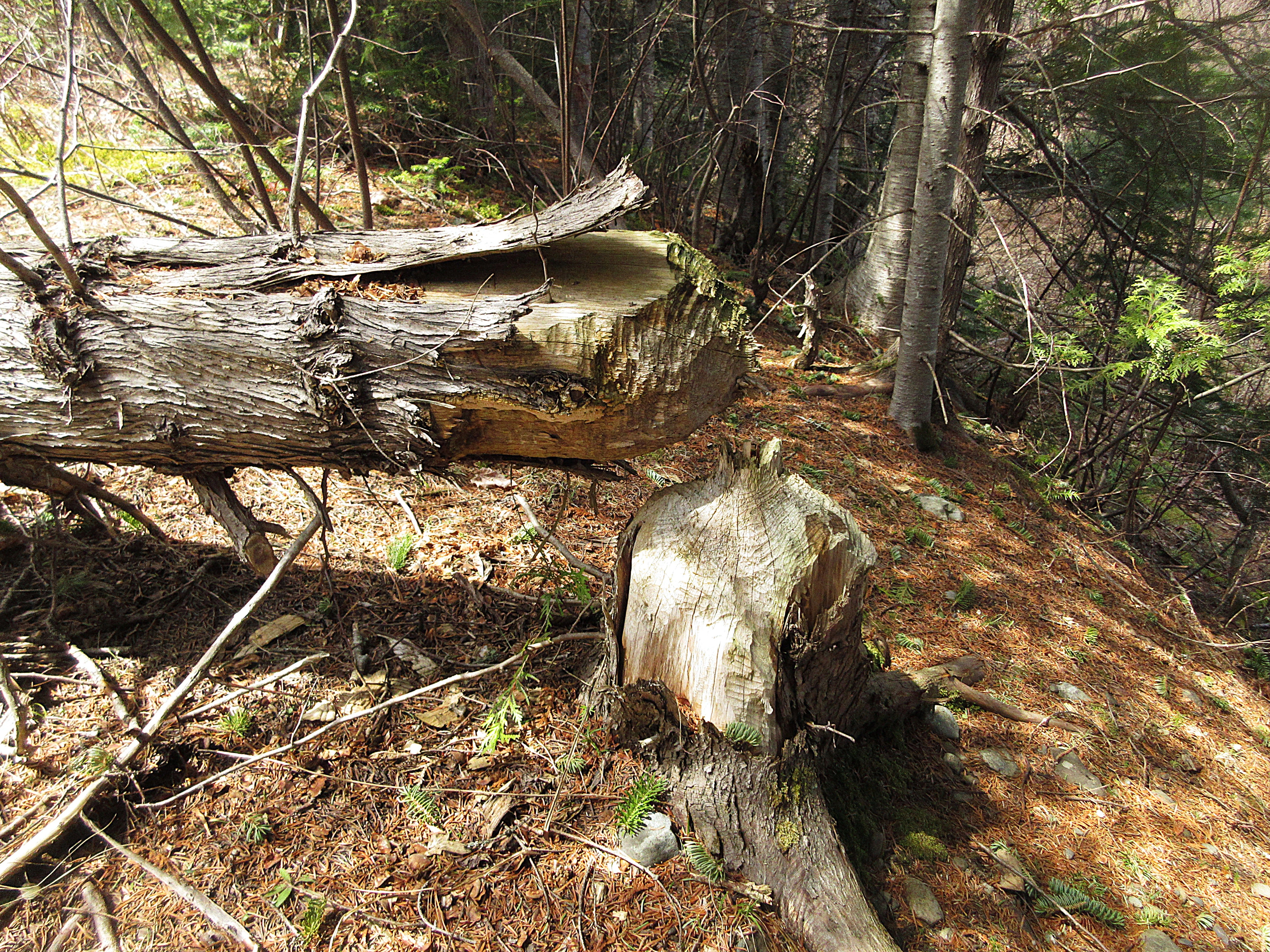
Beavers are second only to humans in their ability to shape landscapes to their liking. They build dams that flood the surrounding woods, creating ponds and ecologically rich wetlands where they and many other species thrive.
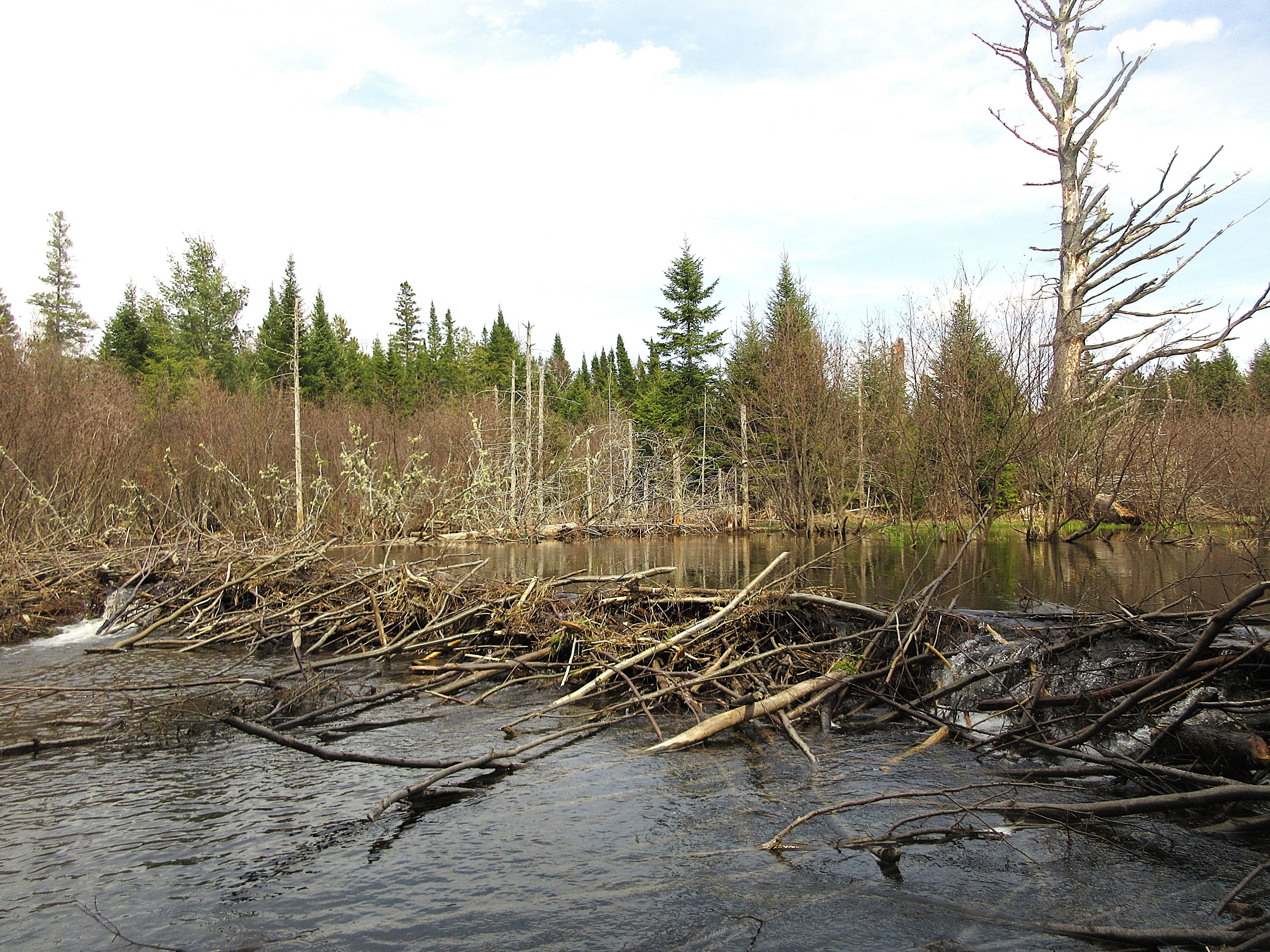
As I continued down the river, I soon discovered that the local beavers, true to their reputation, had been busy since my last trip four years ago. I came upon a river-wide dam, which proved to be the first of four new dams along my route.
As boats go, packrafts are easy to handle. The dam was only a couple of feet high, with water pouring over the end near the river’s right bank. I knew I could paddle over it there. If I got hung up on the sticks that comprised the dam, I figured I could adjust my position in the raft to scooch it free.
I wasn’t wrong – but I hadn’t counted on getting stuck in a spot where a spray of water poured directly into the raft. By the time I maneuvered the raft off the dam, I was sitting in what felt like a bathtub of cold water. I pulled over and climbed out on the bank to dump my raft and boots, thankful I was dressed in knitted wool from neck to toes. I know from long experience that merino keeps me just as warm when it’s wet as when it’s dry.
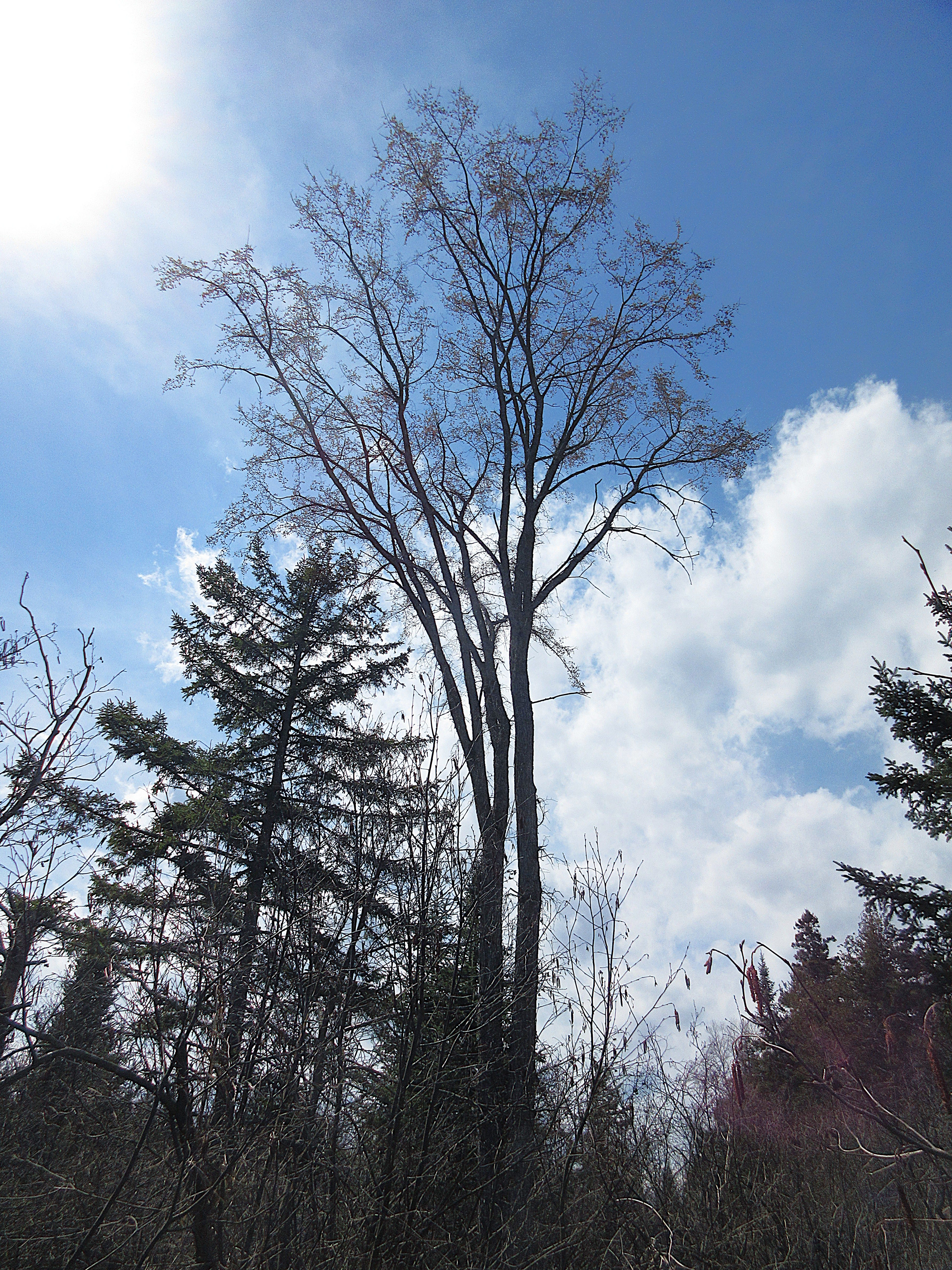
I pulled over again to visit a favorite tree: an American elm raising graceful branches to the sky. In other regions, its fellows have fallen victim to Dutch elm disease. But in the Maine Woods, I occasionally see elms along rivers. Their remote location protects them from infection.
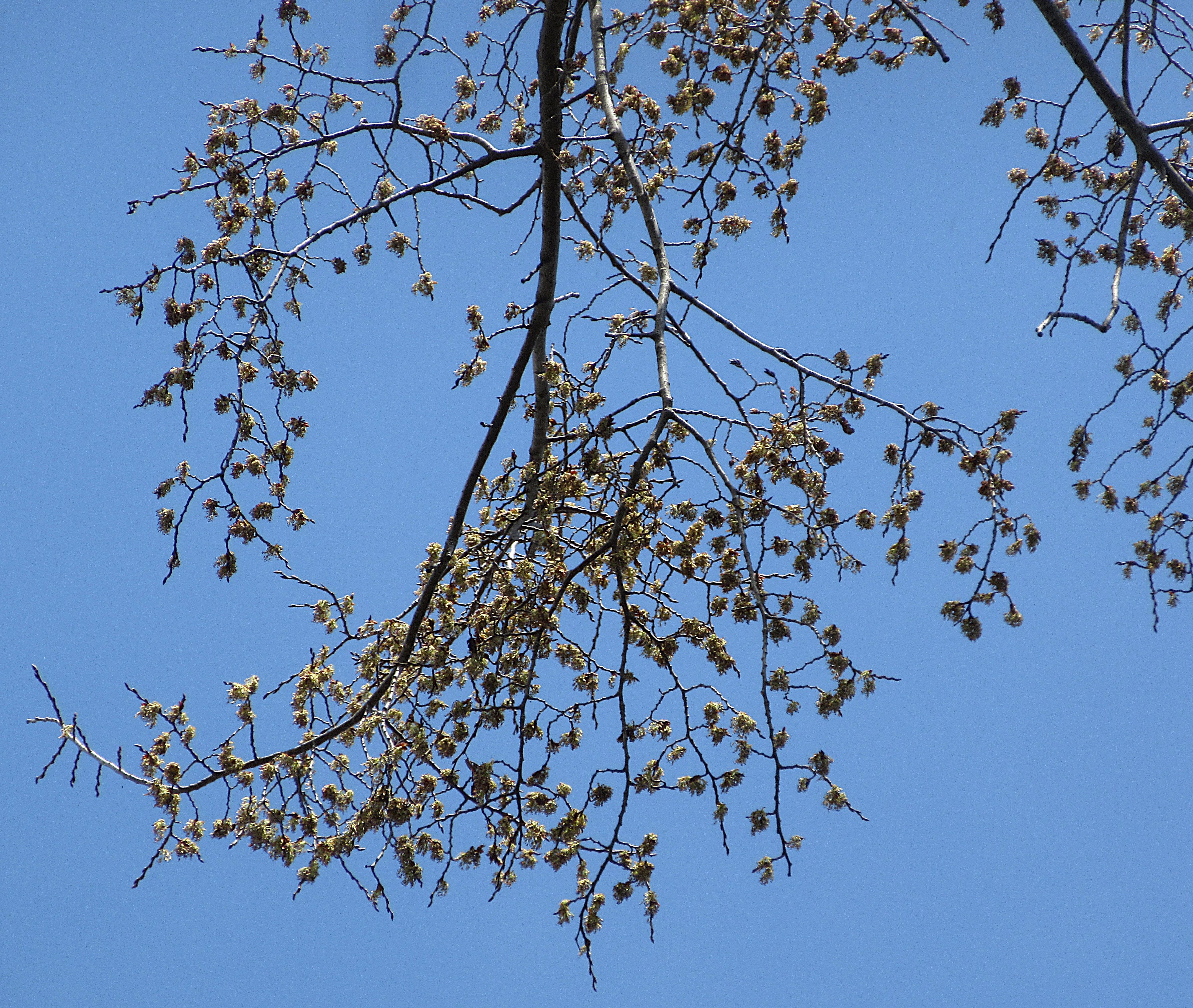
I was delighted that the tree was in bloom, with clusters of tiny greenish flowers dangling from its branches. Its health kindled a sense of hope in nature’s vitality, despite the ravages we humans have inflicted.
I wanted to visit one more elm that afternoon. Four years ago, there was a substantial beaver dam, about four feet high, just before the river flowed into my home lake. The flooded area upstream extended quite a way out from the river’s original banks. A tall, stately elm rose above the wetland.
As I approached the lake, I listened for the rush of water going over the dam. When I got there, I planned to detour into the wetland, paddling as close as I could get to the elm. Then I would portage around the dam, which was too big to negotiate in my raft.
I was starting to wonder why I hadn’t yet reached the dam, when I rounded a curve in the river and saw the lake just ahead. The dam was gone, and the wetland was gone with it. The landscape looked very different from what I remembered.
So where was the elm? I beached my raft and walked back up the river. I spotted the tree well back from the water, on what was now dry ground. Unlike its neighbor upstream, its branches were bare, with no sign of flowering.
I felt bereft, as though I had lost a friend. My little adventure ended on a somber note.
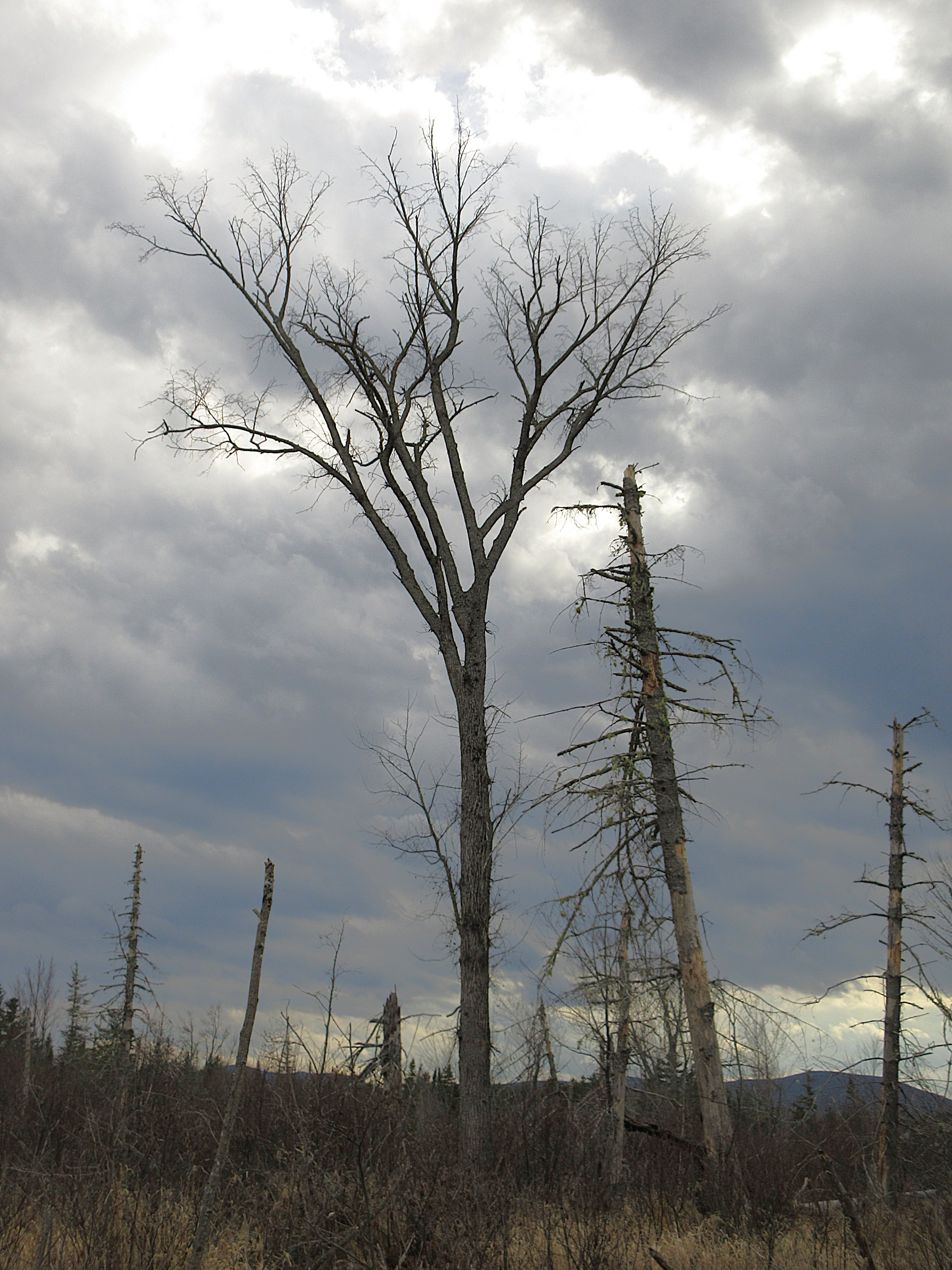
Since then, I’ve been thinking about the elm’s demise. I’ve been a bit in denial, hoping it may yet return to life. Unfortunately, my journal reminds me that, four years ago, it bloomed at the same time as its neighbor.
Why couldn’t the elm simply have adapted to a change in the water level? Elms can grow in drier areas, and this particular elm’s environment wouldn’t always have been flooded in the past. Over the years, beaver dams come and go.
I’m thinking the dam likely breached in 2023. That year, it started raining in June, and seemingly never stopped for months thereafter. Local rivers ran high that summer and fall, and the force of the water may have been more than the dam could withstand. After that, 2025 brought drought, from which the region has yet to recover. With drought following the draining of the wetland, was the stress more than the tree could bear?
Whatever the reasons for the elm’s passing, the strength of my emotions took me by surprise. With all the chaos and suffering in the world today, why should I care so much about one tree? You may think it’s foolish, and I couldn’t argue.
And yet…my reaction has helped me understand the depth of connection I feel with these woods and waters. I have grown to love them as my home. Each plant and creature matters to me. They are entwined with my spirit, a part of who I am. My relationship with them connects me with the vast and beautiful web of all life on Earth. My own life feels larger as a result. And for that, I am profoundly grateful.
Your winter at your cabin has been a refreshing renewal of your passion for Maine woods and your lake / pond. You enjoyed your winters in ID, but your writing is so much more interesting to read. What a joyful experience for you each season. 😊
With your earth and environmental connection you would probably enjoy reading “Braiding Sweetgrass” by Robin Wall Kimmerer!